
Overview
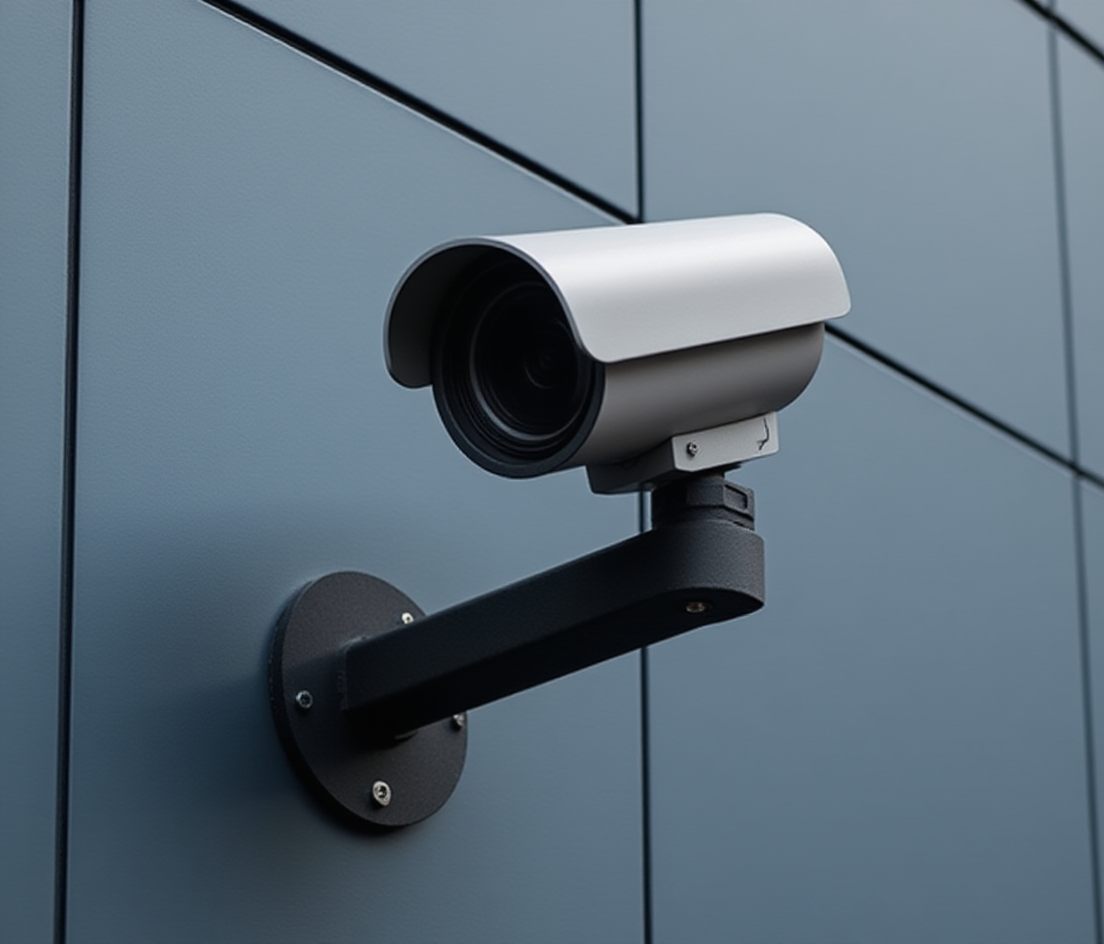
IoT is reshaping asset management
The Internet of Things (IoT) is transforming many industries, including asset management. IoT refers to a growing network of internet-connected objects and devices that collect and share data. In asset management, IoT enables organizations to monitor the condition, performance, and location of assets in real time.
From periodic checks to continuous intelligence
With better visibility and better data, teams can reduce downtime, improve utilization, and address hazards earlier-often with fewer on-site visits.
Improved tracking and monitoring
With sensors and connectivity, assets like equipment, vehicles, and inventory can be tracked and monitored from anywhere. This allows managers to know the location and status of assets at all times.
- Reduce time spent searching for equipment
- Cut loss and shrinkage
- Improve dispatch and operational planning
Predictive maintenance
By monitoring data like vibration, temperature, and operating hours, potential issues can be identified early and maintenance can be scheduled proactively. This prevents unexpected downtime and costly failures.
- Maintenance triggered by condition, not calendar
- Earlier detection of abnormal patterns
- Fewer emergency repairs
Usage optimization
IoT provides insight into asset utilization. Managers can identify underutilized assets to redistribute or eliminate, ensuring assets are being used efficiently.
- Right-size fleets and inventories
- Validate ROI of expensive equipment
- Reduce "just in case" purchasing
Safety and compliance
Sensors can monitor hazards like leaks, cracks, smoke, or dangerous operating conditions. Asset managers can be alerted to issues and address them before incidents occur.
- Faster response to unsafe conditions
- Better documentation and auditability
- Improved compliance reporting
Remote operation
Assets can increasingly be controlled and manipulated remotely through IoT-connected controls and software. This reduces the need for on-site visits and can speed up operational response.
Lifecycle data for better decisions
Detailed operational data collected across an asset's lifetime can inform replacement and investment decisions with hard data-rather than guesswork.
A good IoT program also manages risk
As more devices come online and software matures, organizations need an IoT strategy to capture benefits while managing security and operational risk.
- Device security, patching, and credentialing
- Network segmentation and least-privilege access
- Data ownership, retention, and reporting standards
- Operational workflows: who responds, when, and how
IoT makes asset management more proactive
The capabilities unlocked by IoT allow asset managers to be more proactive, efficient, and informed. With the power of data, IoT is poised to transform asset management for years to come.
Explore other deployments and program builds
This area can later be powered by CMS tags (industry, solutions, platforms) to suggest related case studies.
Browse all case studies
View the full list of migrations, deployments, and evaluations.
Case studies indexTalk to us
Quick scoping call or a deeper evaluation plan-either way, we'll map your environment to a buildable path.
Start a conversation