
Overview
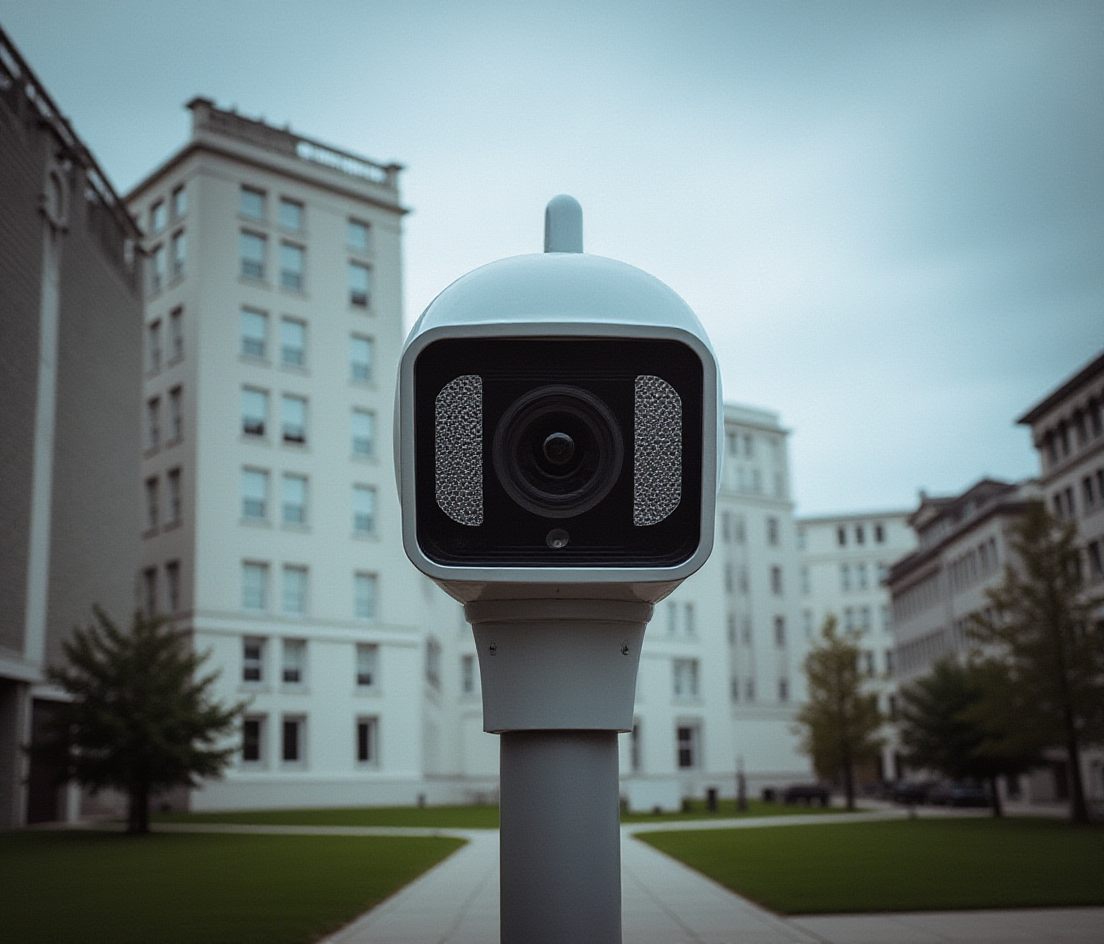
What is License Plate Recognition?
License plate recognition (LPR) technology is transforming security, surveillance, and traffic control through its ability to instantly identify vehicles by scanning and reading their license plates.
LPR systems use specialized cameras and computers to automatically read and capture license plate numbers from passing vehicles. The technology typically uses infrared or visible light cameras that are able to capture clear images of plates, even in low light or high-speed conditions.
The three steps of an LPR system
The LPR process involves three key steps:
The camera sensor captures an image of the vehicle and isolates the license plate.
Software locates the plate within the image and isolates it from the rest of the picture.
Optical character recognition (OCR) technology identifies the alphanumeric characters on the license plate by comparing the image to known templates.
A typical LPR system is designed to process plates from vehicles traveling at speeds of up to 100 mph. The entire process from image capture to character recognition can take as little as a fraction of a second.
Key uses of License Plate Recognition
- Law enforcement: identify stolen vehicles, automate traffic enforcement, track suspects, and more.
- Parking management: recognize permit holders, routine enforcement, and view parking usage patterns.
- Toll collection: high-speed LPRs are ideal for automated toll collection on highways and bridges.
- Security and access control: monitor and restrict access to zones like gated communities, garages, and logistics hubs.
- Automating gate decisions and reducing manual checks
- Creating an audit trail of vehicle movements
- Improving situational awareness during incidents
- Connecting vehicles to identities, credentials, or permits
LPR is a practical automation layer for vehicle-aware security
With LPR technology proving to be highly effective for diverse identification and monitoring applications, its use is likely to expand even further in coming years. The power of license plate recognition is already transforming security, traffic control, and vehicular tracking.
Explore other deployments and program builds
This area can later be powered by CMS tags (industry, solutions, platforms) to suggest related case studies.
Browse all case studies
View the full list of migrations, deployments, and evaluations.
Case studies indexTalk to us
Quick scoping call or a deeper evaluation plan-either way, we'll map your environment to a buildable path.
Start a conversation